Requirements management for infrastructure
Every requirement.
Linked to evidence.
We build a live requirements register from your contracts and specifications, link each requirement to its source and project evidence, and flag gaps for your team to review.
Who we work with
OwnersContractorsEngineers
Owners and owner’s representatives
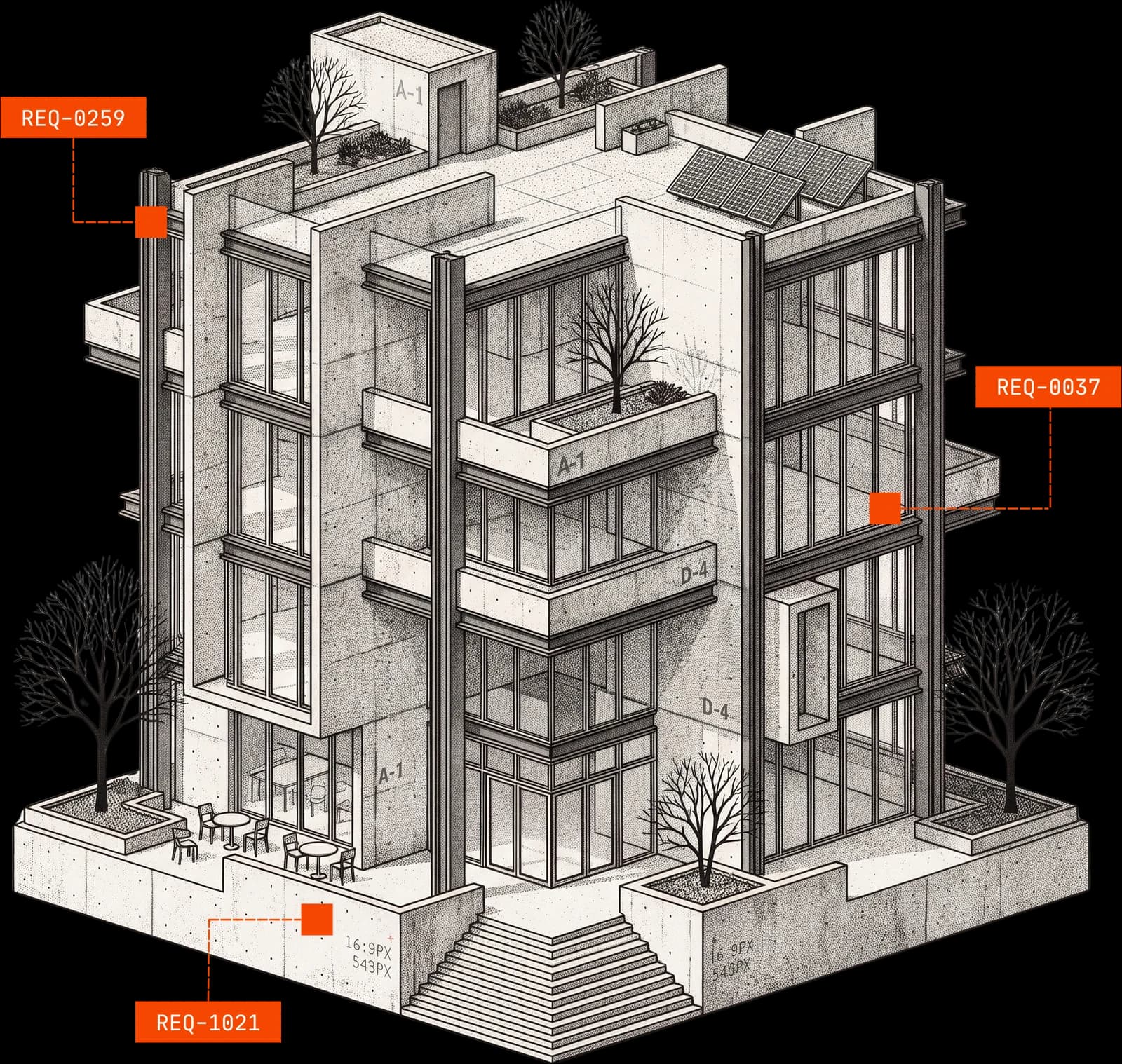
See which requirements have supporting evidence, what needs review, and what is missing before handover.
Contractors and design-build teams
Track contract obligations against project records and catch missing or outdated evidence while work is underway.
Engineering and program teams
Review each requirement with its source clause, proposed evidence, and open gaps in one register.
From contract to evidence.
We prepare the register. Your team reviews the findings.
Build the register
We extract requirements from your contracts and specifications, with a link to each source clause.
Connect the evidence
We match project records to requirements and flag missing, outdated, or conflicting evidence.
Review and act
Your team reviews the findings, accepts evidence matches, and sees what still needs attention.
Know what still needs attention.
Check the source, review the supporting record, and see where evidence is missing or out of date.
Explore the platformBalance all supply, return and exhaust air systems to within 10% of the airflow rates scheduled on the drawings.
Mechanical specificationView source
p. 42 · 23 05 93 · Section 3.4
Balance all supply, return and exhaust air systems to within 10 percent of the airflow rates scheduled on the drawings.
Final test and balance report
SUB-23-0114 · pp. 8-12 · Final readingsReported: 6% deviation. Allowed: 10%.
Keep your project systems.
We work with the documents and records you already have. Connections and access are agreed during setup.
 Procore
 Autodesk
 SharePoint
Projects our team has worked on.
Our team’s past requirements-management work spans rail, transit, roads, and bridges across North America.
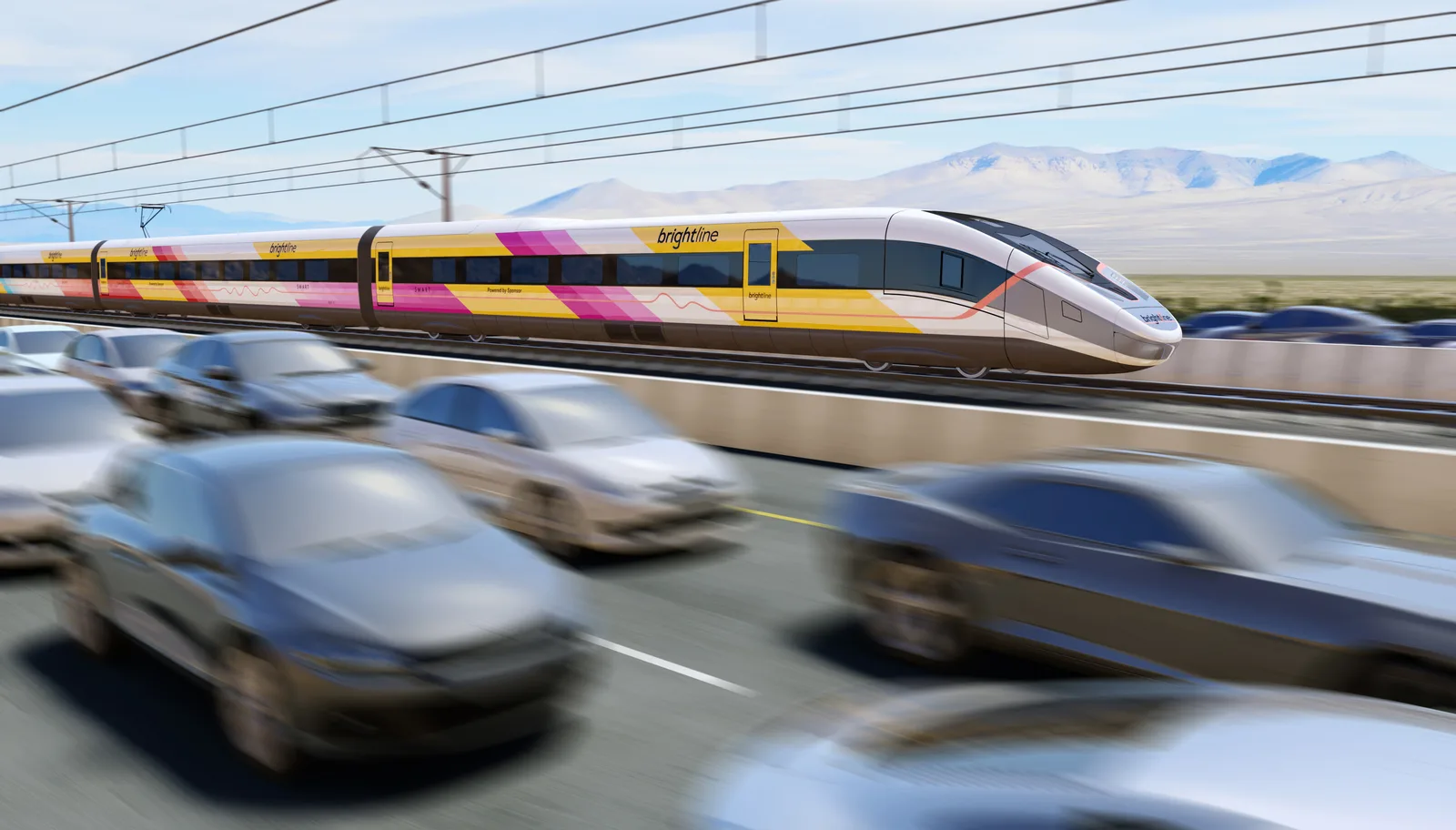 Southern California to Las Vegas, Nevada
Brightline West
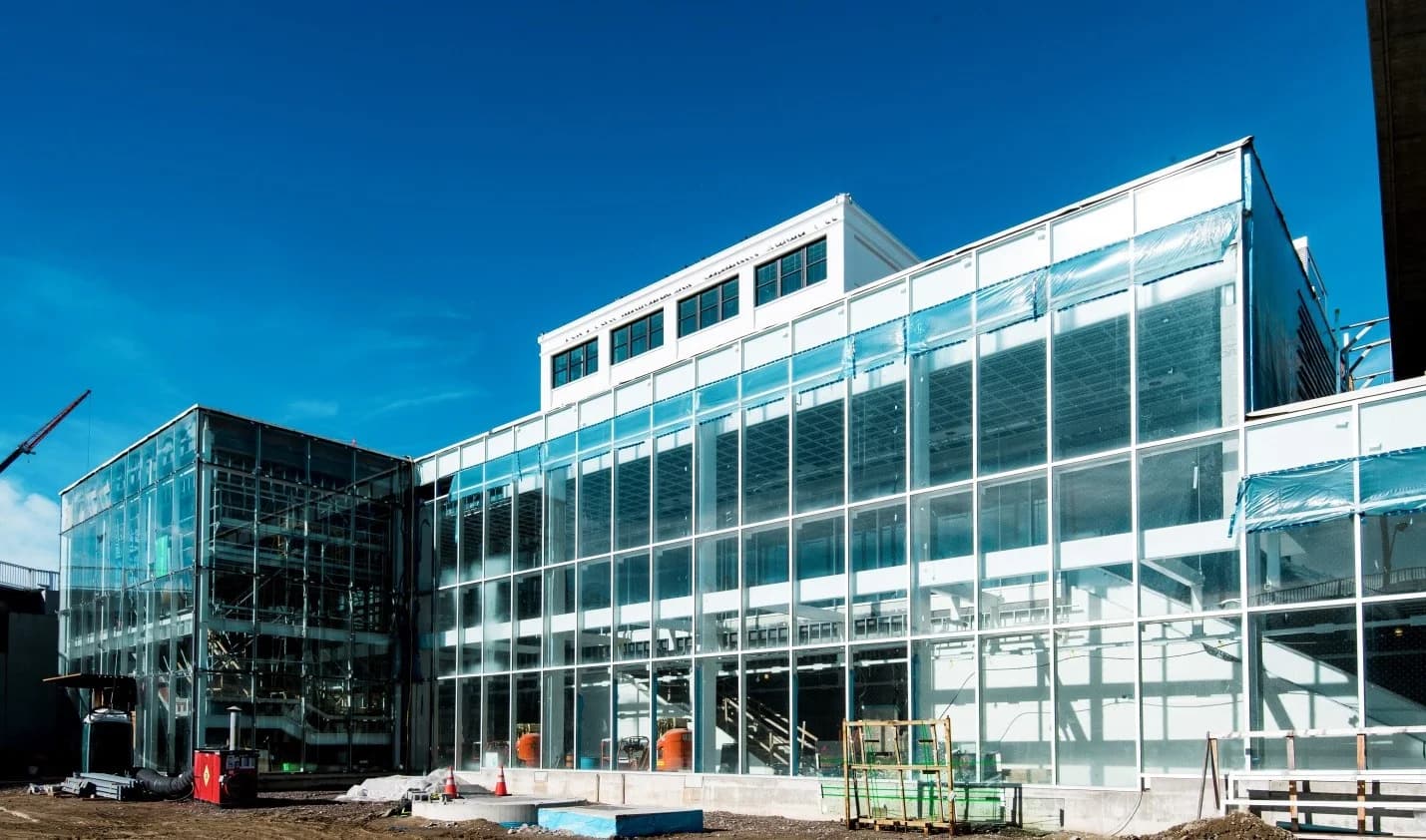
Brightline West · Concept rendering
Official project site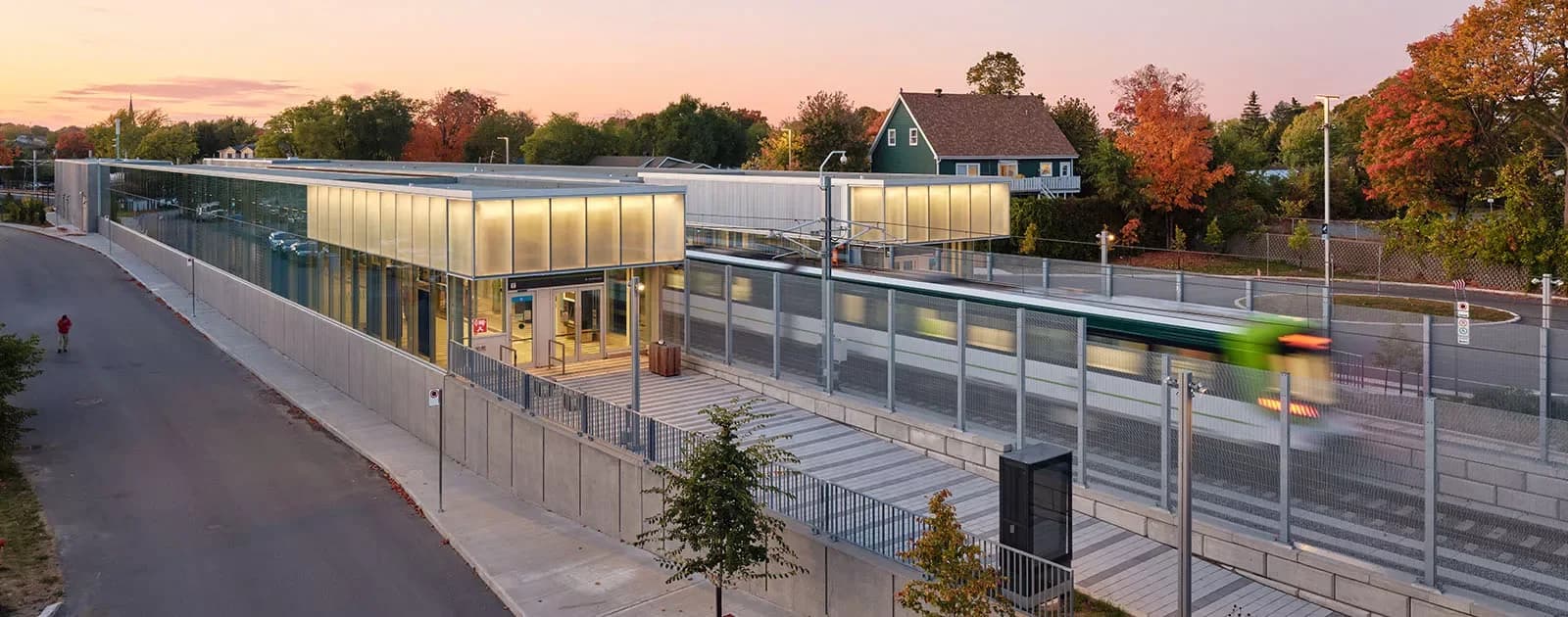
Project image credits
- Brightline West: Brightline West
- Réseau express métropolitain: CDPQ Infra
- Eglinton Crosstown LRT: Metrolinx
Frequently asked questions.
Is SESA software or a service?
Today, SESA is delivered as a service backed by our AI software. Our team prepares and reviews your requirements register, links supporting records, and flags outstanding items.
Which projects is SESA built for?
SESA is built for complex infrastructure projects, with our deepest experience in rail and transit. We work with owners, contractors, and engineering teams responsible for tracking contract requirements and their evidence.
Can we start with a project already underway?
Yes. We can work from your current contracts, specifications, and existing records to build the requirements register and identify gaps in the evidence.
Do we need to replace our existing systems?
We work with the documents and records you already have. During setup, we agree how to share them and which system connections are available for your project.
Who decides whether a requirement is satisfied?
Your team makes that decision. SESA provides source references, proposed evidence matches, and gaps to review. An evidence match does not automatically accept the work or close a requirement.
See your requirements clearly.
We’ll show you how SESA connects project requirements to evidence and gives your team a clear list of what needs attention.
Get a demo